
The risks of smoking marijuana are real and affect both physical and mental health, even when cannabis has therapeutic uses in specific medical contexts. In this article, we analyze the main risks of smoking marijuana, from immediate effects to long-term consequences documented by official health organizations.

- 1 What does “risk” mean when smoking cannabis?
- 2 Immediate and short-term effects
- 3 Risks to lung health
- 4 Long-term consequences: risks of smoking marijuana
- 5 Specific risks for adolescents and young people
- 6 Modern cannabis: higher potency, greater risks
- 7 Impact on daily life and performance
- 8 Factors that increase risk
- 9 Can cannabis cause cancer?
What does “risk” mean when smoking cannabis?
Smoking cannabis involves inhaling combustion by-products derived from the Cannabis sativa plant, which contains active compounds such as THC (tetrahydrocannabinol), responsible for psychoactive effects. Alongside these cannabinoids, cannabis smoke contains chemical substances that may negatively affect the body, especially when use is frequent or begins at an early age. To better understand how THC acts in the body, you can read our article on how long THC stays in the bloodstream.
Immediate and short-term effects
After smoking marijuana, the body may experience physiological and mental changes that, although often considered temporary, can pose risks even with occasional use. The duration and intensity of these effects vary depending on the individual and the type of consumption, as explained in detail in our article on how long a marijuana high lasts.
Cognitive and psychomotor impairments
THC alters brain functions such as attention, short-term memory, coordination, and reaction time. This increases the risk of accidents, particularly during activities like driving or operating machinery. In some individuals, especially at high doses, episodes of anxiety, panic, or paranoia may occur.
Cardiovascular effects
Smoking cannabis can increase heart rate and cause changes in blood pressure. In people with cardiovascular conditions or risk factors, these effects may lead to serious complications such as arrhythmias or acute cardiovascular events. These risks increase when cannabis is combined with other substances, as explained in our article on the dangers of mixing alcohol and marijuana.

Risks to lung health
Cannabis smoke contains irritant compounds similar to those found in tobacco. The method of inhalation—deeper and more prolonged—can increase lung exposure and promote respiratory problems such as chronic cough or bronchitis. Frequent inhalation of smoke is not considered harmless.
Long-term consequences: risks of smoking marijuana
Regular and long-term cannabis use has been associated with persistent effects that can impact both health and daily functioning.
Impact on brain development
When consumption begins during adolescence, the brain may be particularly affected. Various studies link early cannabis use to difficulties with memory, attention, and learning, which in some cases may persist even after stopping use.
Dependence and cannabis use disorder
Although cannabis was long considered a substance with low addictive potential, it can lead to dependence. In some cases, a cannabis use disorder develops, characterized by difficulty controlling use and the appearance of negative consequences in personal, professional, or social life. If this is a concern for you, you can consult our guide on how to stop smoking joints.
Effects on mental health
Frequent use has been associated with an increased risk of anxiety, depression, and psychotic episodes, especially in individuals with a genetic predisposition or a history of mental health disorders.
Specific risks for adolescents and young people
Cannabis use at an early age presents additional risks. During adolescence, exposure to THC can interfere with processes related to decision-making, emotional regulation, and long-term planning.

Modern cannabis: higher potency, greater risks
Modern cannabis varieties contain higher THC concentrations than in previous decades. This increased potency raises the likelihood of adverse effects such as intense anxiety, disorientation, and psychotic episodes.
Impact on daily life and performance
Regular cannabis use can affect academic, work, and social performance. Some individuals experience difficulty concentrating, reduced motivation, and problems maintaining stable routines.

Factors that increase risk
The level of risk depends on multiple individual factors:
- Age at first use.
- Frequency and duration of use.
- Cannabis potency and THC concentration.
- Personal or family history of mental health problems.
- Combined use with alcohol or other substances.
Can cannabis cause cancer?
Scientific evidence is not conclusive, but smoking cannabis involves inhaling smoke containing potentially carcinogenic substances. Repeated exposure to these compounds may pose a long-term health risk. Therefore, yes, smoking marijuana can cause lung cancer.
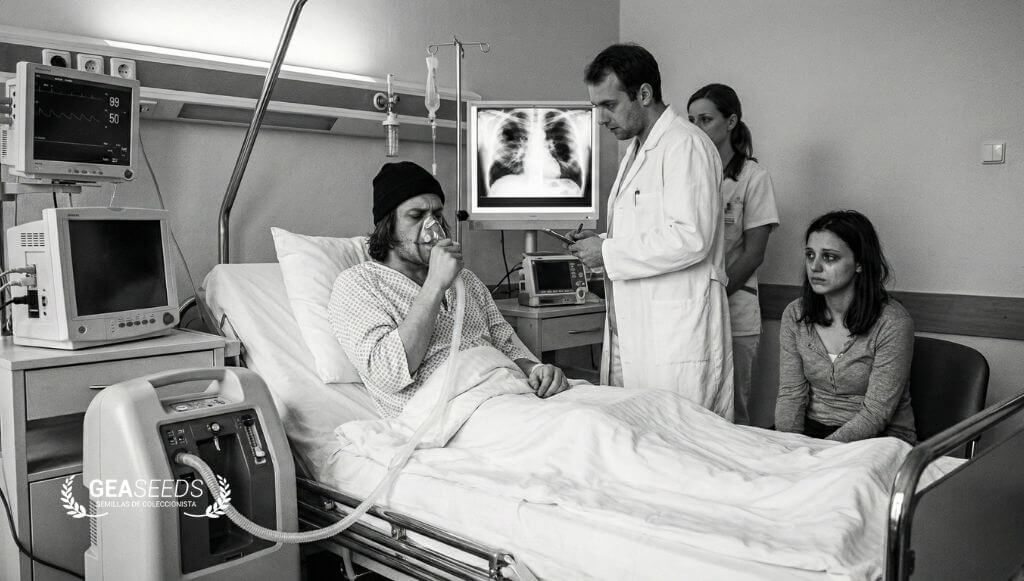
Cannabis is not risk-free, and its effects depend on the individual, age, frequency of use, and the context in which it is consumed.
 MEDICAL & LEGAL DISCLAIMER